
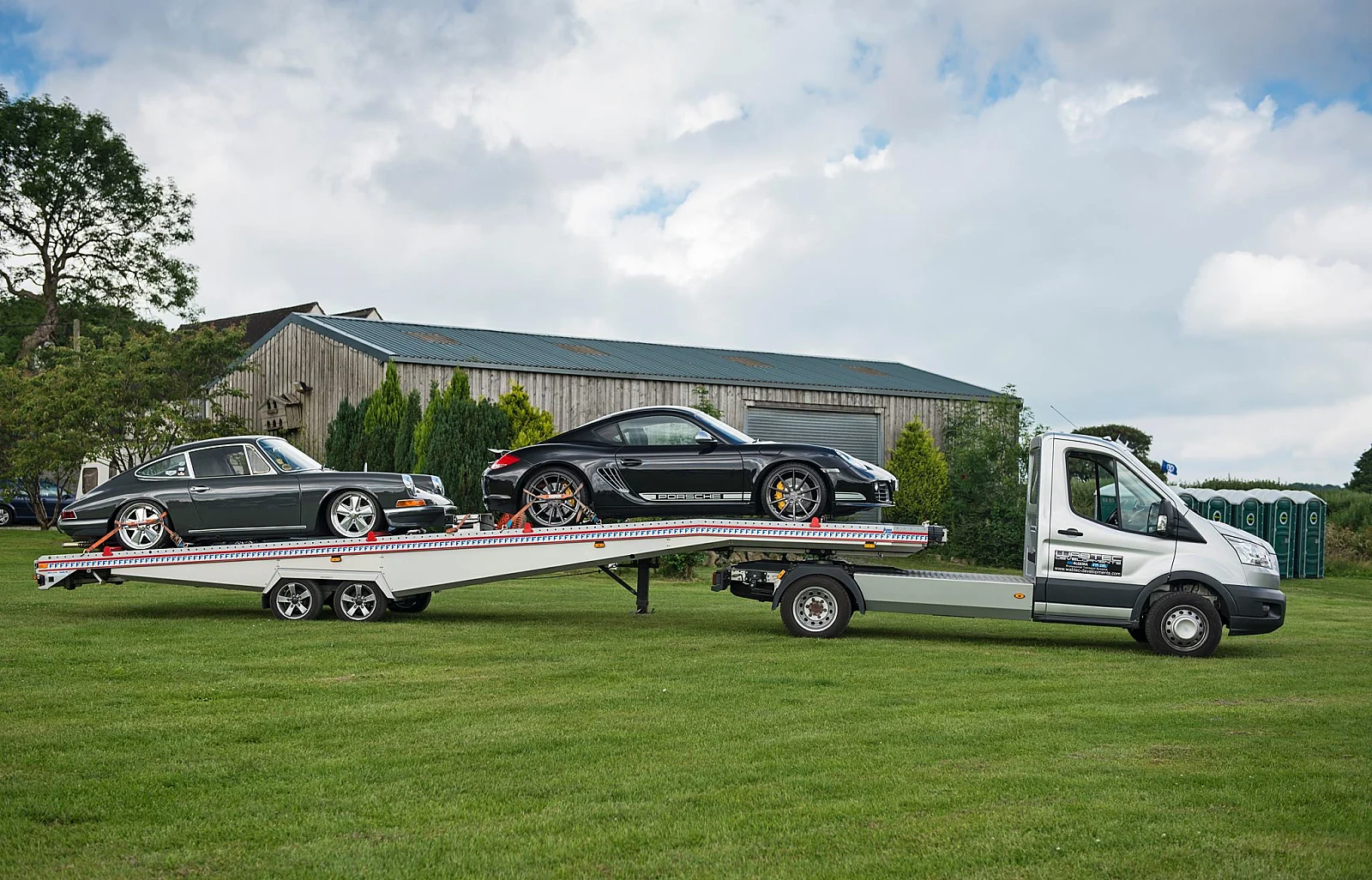
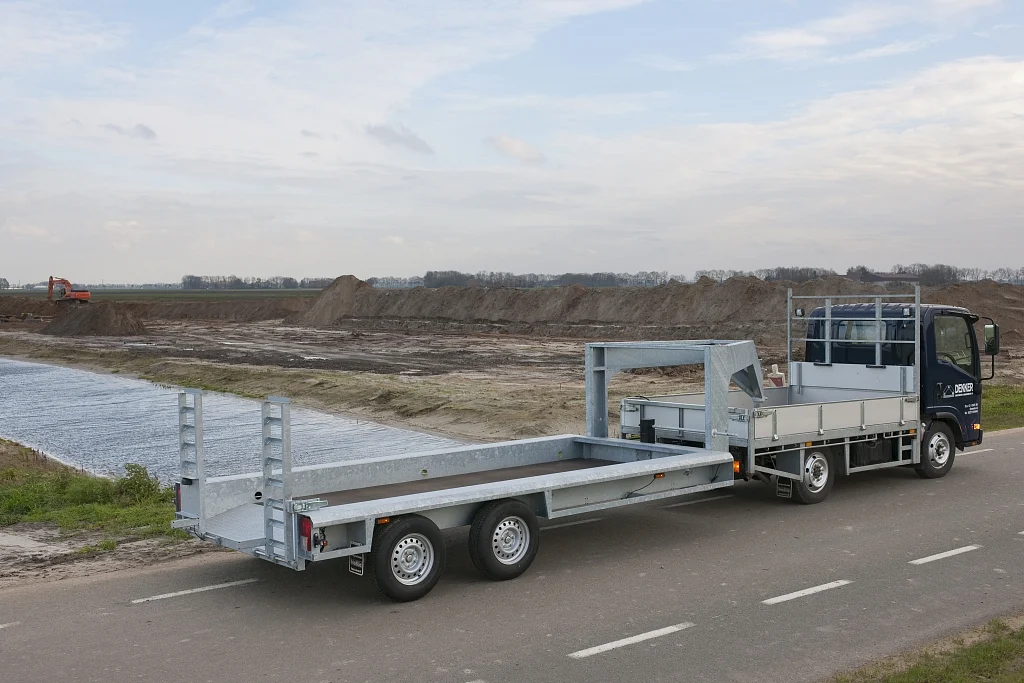
How a fifthwheel works
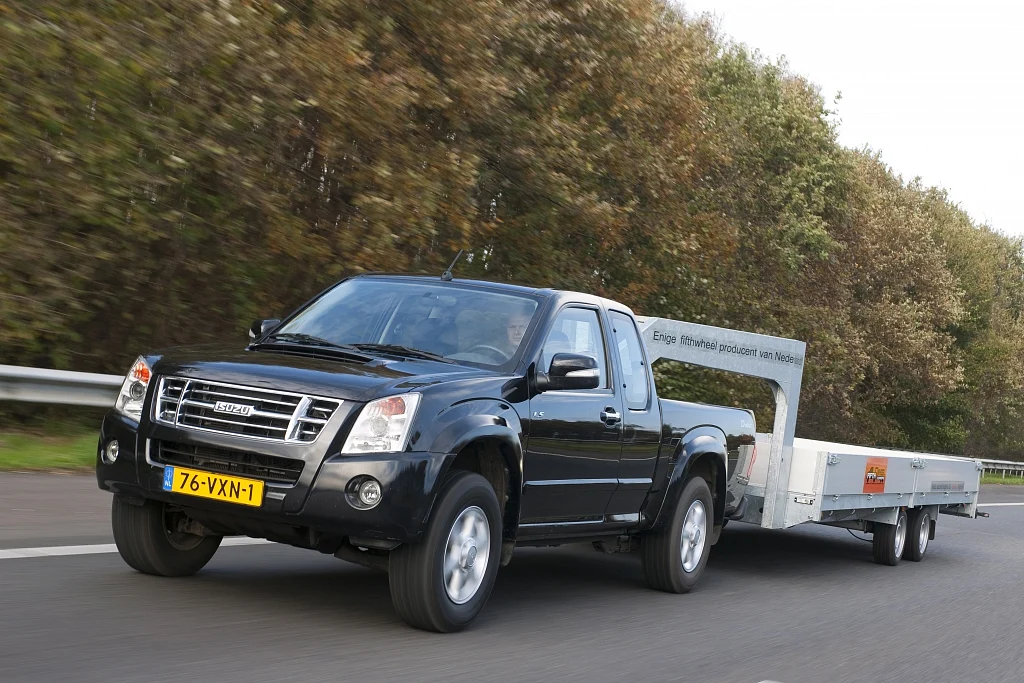
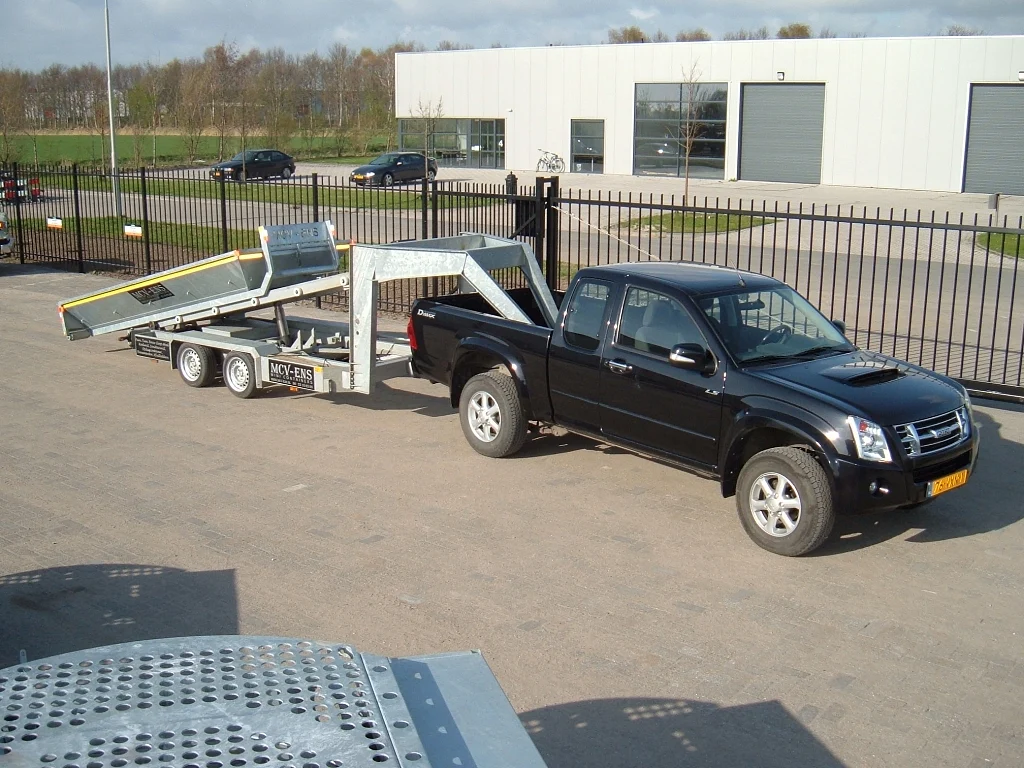
To tow a fifthwheel trailer you need a vehicle with a flatbed. A subframe is built onto the chassis under the body, varying by make and model, and the coupling bowl sits in that support frame. Coupling this way instead of on a towball puts no twisting load on the vehicle’s chassis. The conversion also includes a 13-pin connector for the trailer’s electric braking system.

Vehicles we can convert
- Isuzu D-Max
- Isuzu N-Series
- Toyota Tundra
- Ford F-150 (2015 model)
- Mercedes-Benz Sprinter
- VW Crafter
- Land Rover 110 high capacity pick-up
- Land Rover 130 crew cab
- Nissan Navara (up to 2014 model)
- Volkswagen Amarok
Why fifthwheel?
Practical
- Extra capacity, because the coupling load sits on the vehicle
- Keep your pick-up’s flatbed, with the hitch set into the floor
- Suits many pick-up makes
- Laser-cut construction keeps trailer weight down
- Electric braking system
- Designed with FEM analysis
- Easy and cheaper to maintain, with a lifetime of up to 20 years
On the road
- More comfortable towing thanks to the coupling position
- Agile, especially with the Isuzu N-Series
- Easy to couple and uncouple, including in towns
- Width and length to suit the job
Flexible
- Multi-car trailers
- One trailer for several uses, all year round
Trailer types
Plant trailers, flatbeds, skip trailers, covered trailers (including horse boxes and exhibition trailers) and custom-built trailers. Other trailers from Fifth Wheel Europe are also available through us.
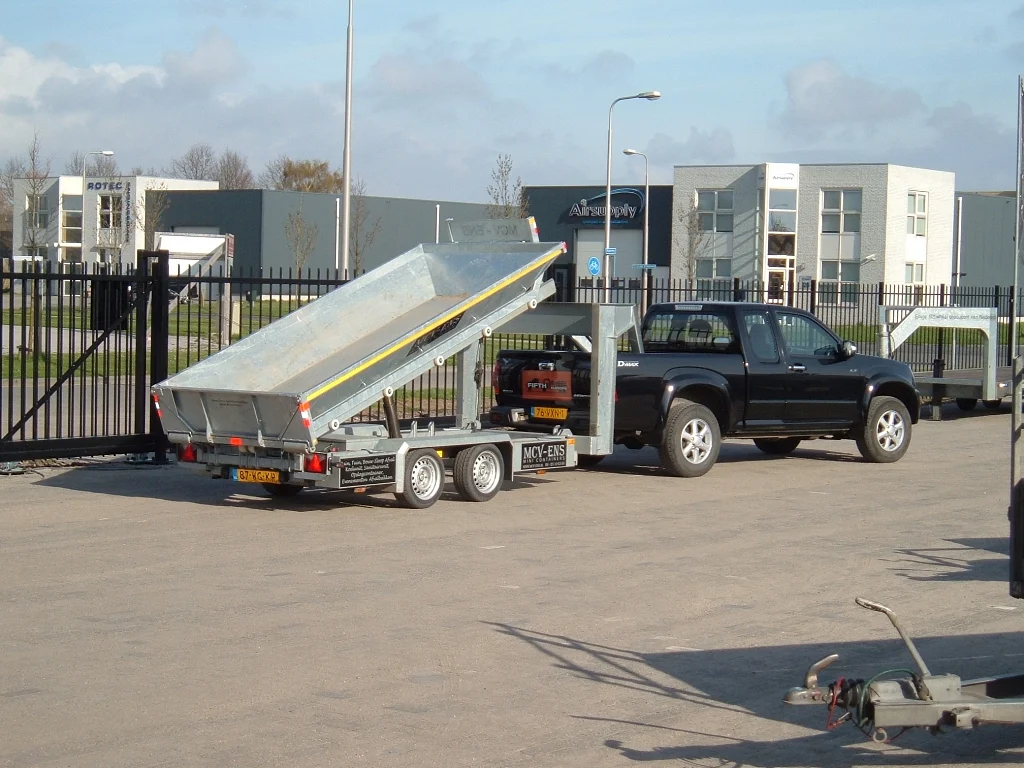
FIT-ZEL BE Trans Duo mini artic
A 9 m bed carrying up to 4,150 kg – two cars or vans, one large vehicle, or several smaller ones. See the BE Trans Duo.